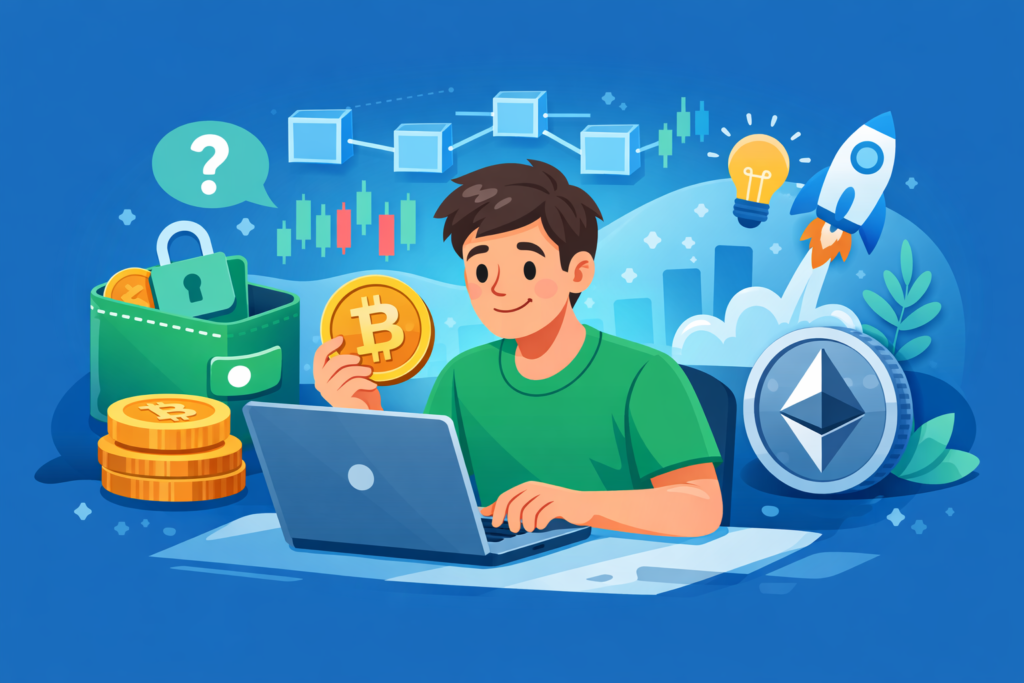
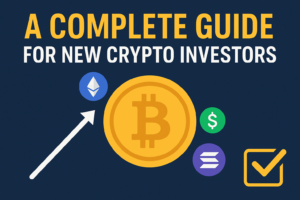
Purchasing cryptocurrency can be exhilarating and also confusing. Stories of people making enormous gains tend to get the most attention, but in reality crypto is not a “get rich overnight” game. It is a fast-moving market that rewards wisdom, patience and discipline.
If you’re new to crypto and just looking to make a sound initial purchase, read on for a guide that will explain what all of this actually means so that you can know what really matters before putting your money at stake.
Understand What Crypto Really Is
Cryptocurrency isn’t just for sending money! It is built on blockchain technology, a decentralized ledger system that records all transactions both public and tamper-proof. Unlike traditional currencies, crypto is not centralized by banks or governments.
Every coin or token has a “reason for being”:
Bitcoin (BTC) → Digital storage of value
Ethereum (ETH) – Smart contracts & apps
Altcoins → Various use cases such as DeFi, gaming, AI and payments
Before you buy any coin, know why it exists and what problem it is solving.
Investiture Only What You Can Afford to Get Rid Of
Crypto markets are highly volatile. Prices can rise 20 percent in a day and fall just as fast.
A simple rule:
If you need this money to get through day-to-day living, that’s a good sign not to invest it.
Start small. Think of crypto as a long-term study, not a gamble.
Choose the Right Exchange
Crypto exchanges aren’t all created equal. A good exchange should offer:
- Strong security
- Easy interface
- Good liquidity
- Transparent fees
Among most prominent are worldwide, regional exchanges but no matter what:
Enable 2-factor authentication (2FA)
Avoid sharing login details
Use strong passwords
Centralized exchanges usually are a good place to begin for beginners.
Understand the Wallets (This Is Important)
If you’re buying crypto, you need somewhere to store it.
The types of wallets available can generally be categorized into two types:
- Swap wallets – Convenient but less safe
- Private Wallets (hot or cold) – Better control & security
Remember the golden rule:
Not your keys, not your crypto.
For small amounts exchange wallets are ok. For long-term holding, private wallets are much safer.
Research Before Buying Any Coin
Do not ever buy a coin for the sole reason:
- I heard someone say that on social media
- It’s trending
- It looks cheap
Before investing, check:
- Project website & whitepaper
- Use case and real-world adoption
- Team & development activity
- Market cap (not just price)
Just because a coin is cheap does NOT mean it is undervalued.
Don’t Chase Hype or FOMO
One of the major factors that makes people lose money in crypto is FOMO.
If a coin has already been pumped heavily:
Be careful
Don’t enter blindly
Wait for further corrections or avoid it
Winning investors buy logic not emotions.
Diversify Your Investment
It is risky to bank everything on one coin.
A beginner’s balanced portfolio might look like this:
- A major coin (BTC or ETH)
- A few strong altcoins
- Some stablecoins for safety
Diversification can help lower risk and moderate the volatility.
Understand Taxes & Regulations
Crypto laws differ from country to country, and taxes are levied in many places.
Before trading:
- Learn how crypto is taxed in your country
- Maintain records of each purchase and sale
- Avoid ignoring tax responsibilities
It’s better to be a little clued in now than mired later.
Beware the Whipsawing of the Market
Crypto markets go through cycles bull markets and bear markets.
Prices will fall at times. This is normal.
What matters is:
- Your strategy
- Your patience
- Your ability to stay calm
Value investors take the long view, not a day-by-day one.
Keep Learning and Stay Updated
Crypto evolves fast. New technologies and regulations and trends are constantly bombarding us.
Follow trusted sources and how-to guides not bad info. Knowledge is power in this market.Of course, purchasing crypto can be profitable if done correctly. Move cautiously, stay informed and take a long view. “But in crypto, it’s not about gambling; it’s about understanding risk, managing emotions and making smart decisions.”
If you’re new, focus just on learning first profits will come later with time and discipline.