The New Era of Crypto Investing
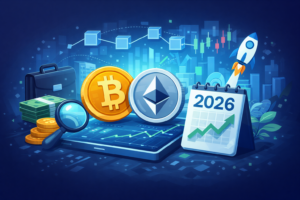
The world of crypto investing is evolving fast. By 2026, digital assets have become part of mainstream finance. Investors are no longer asking if they should invest in crypto — but how to do it smartly.
Building a profitable crypto portfolio today requires more than chasing hype or meme coins. It’s about creating a strategy that balances risk, reward, and long-term vision.
Whether you’re new to crypto or already have experience, this guide will help you structure your investments wisely.
Step 1: Understand Your Risk Tolerance
Every investor is different. Before you buy any coin, you need to know how much risk you can handle. Crypto markets can swing sharply sometimes within hours.
If you prefer stability, focus on blue-chip coins like Bitcoin (BTC) and Ethereum (ETH).
If you’re open to higher risk for higher rewards, explore altcoins like Solana (SOL), Avalanche (AVAX), or Chainlink (LINK).
Keep a portion in stablecoins like USDT or USDC to manage volatility and take profits easily.
A balanced portfolio usually has a mix of all three stable assets, growth assets, and speculative plays.
Step 2: Diversify Across Categories
Diversification protects your portfolio from sudden losses. Instead of putting all your money in one coin, spread it across different categories:
Layer-1 coins (BTC, ETH, SOL)
Layer-2 or scaling solutions (Polygon, Arbitrum, Optimism)
DeFi tokens (Aave, Uniswap, MakerDAO)
Metaverse & gaming projects (Sandbox, Decentraland)
Stablecoins for liquidity and yield farming
A diversified approach allows one sector’s success to balance another’s downturn.
Step 3: Focus on Quality Projects
In 2026, thousands of coins exist, but not all are worth your money. Quality matters more than quantity.
Look for projects with:
Real-world use cases (DeFi, payments, data security)
Strong development teams and partnerships
Healthy trading volume and active communities
Transparent tokenomics (clear supply, purpose, and distribution)
Do your research before investing. A few strong coins will often outperform a dozen speculative ones.
Step 4: Use Dollar-Cost Averaging (DCA)
Timing the crypto market is almost impossible. Instead of waiting for the “perfect” moment, invest a fixed amount regularly — weekly or monthly.
This method, called Dollar-Cost Averaging (DCA), smooths out price fluctuations and reduces emotional decision-making. Over time, you buy both highs and lows, lowering your average cost per token.
Step 5: Stay Updated and Rebalance Regularly
The crypto market changes fast. Coins that lead today might lag tomorrow. Review your portfolio every few months and rebalance if needed.
For example, if one coin grows too much and dominates your portfolio, consider taking profits and redistributing into newer opportunities.
Use portfolio tracking tools like CoinStats, Zerion, or DeBank to monitor performance and keep things organized.
Step 6: Keep Security a Priority
Profit means nothing if your assets aren’t safe. Always store long-term holdings in hardware wallets (like Ledger or Trezor) rather than on exchanges.
Enable two-factor authentication, avoid suspicious links, and stay alert for phishing scams. In crypto, security is as important as strategy.
A profitable crypto portfolio in 2026 isn’t about luck it’s about patience, balance, and awareness. By focusing on solid projects, diversifying wisely, and staying consistent, you can build wealth in one of the most exciting financial markets ever created.
Remember: investing is a marathon, not a sprint. Build smart, stay informed, and let time work for you.